

UC San Diego Researchers Use SDSC’s Expanse to Better Understand Bone-Like Minerals
Published July 30, 2026
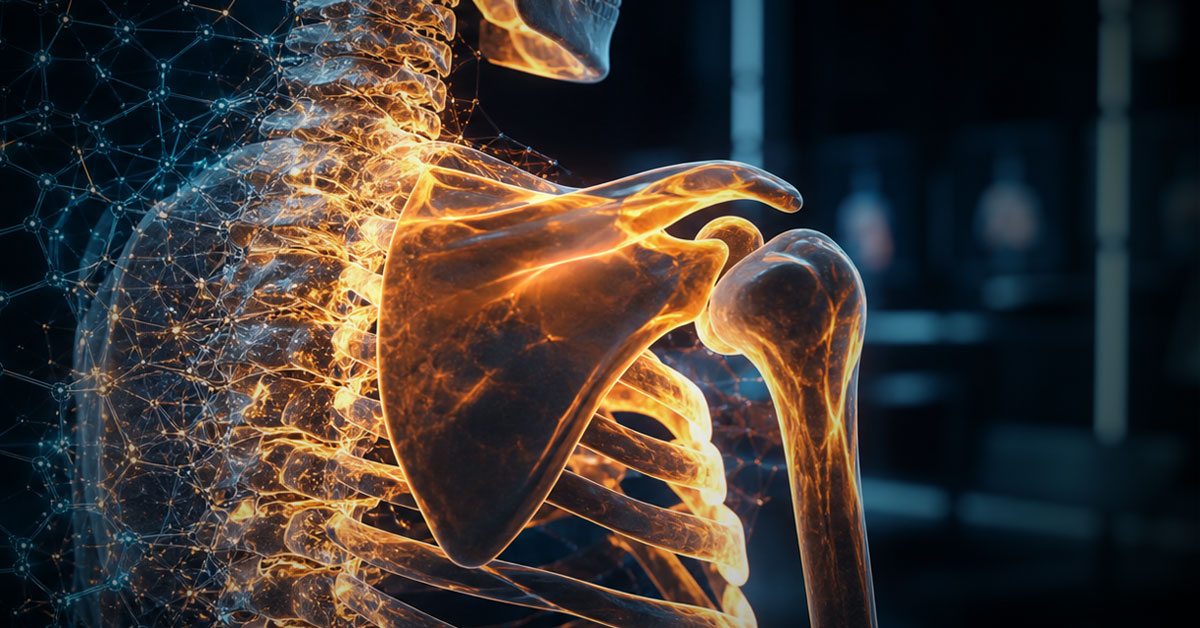
By incorporating europium’s light-emitting properties into hydroxyapatite — the primary mineral naturally found in bone — the material becomes easier to see in bioimaging applications.
A University of California San Diego research team has found a better way to understand and stabilize hydroxyapatite, the calcium phosphate mineral that makes up much of our teeth and bones. By adding tiny amounts of europium, a rare-earth element that mimics calcium, the team discovered a way to make the material potentially more useful for medical imaging.
Hydroxyapatite is already widely used in medical materials to help strengthen teeth and bones, since it is the primary mineral naturally found in bone. In this study, researchers introduced europium’s light-emitting properties to make the material easier to see in bioimaging applications. Luminescent hydroxyapatite could allow implanted materials or bone-regeneration scaffolds to be tracked noninvasively, helping researchers monitor how they behave inside the body.
The team, led by UC San Diego professor Olivia Graeve, used computer simulations to study how europium fits into the hydroxyapatite structure to improve imaging. Those simulations were run on the Expanse supercomputer at the Halıcıoğlu School of Data Science and Computing San Diego Supercomputer Center using an allocation from the National Science Foundation (NSF) ACCESS program.
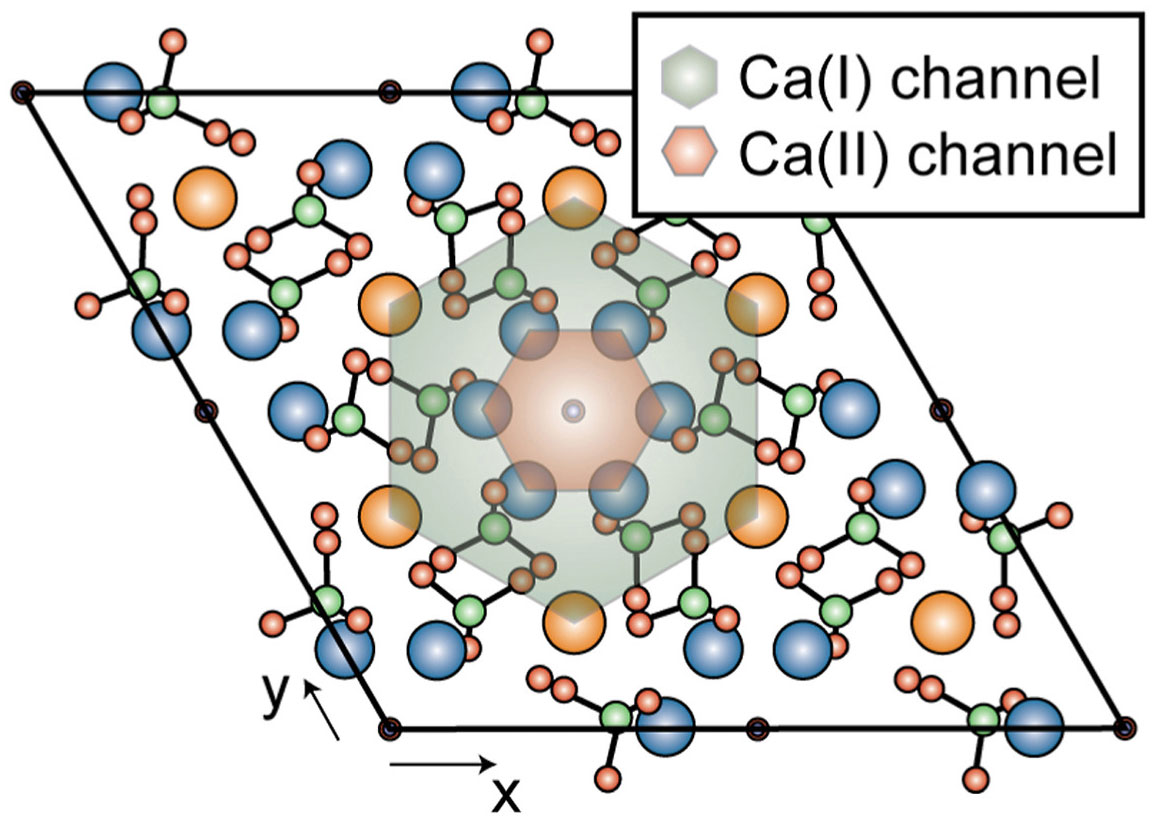
“Density functional theory calculations play a crucial role in understanding the impact of elemental substitution on materials, while allowing for precise control over substitution sites and concentrations,” said Graeve, who is the Elias Masry Endowed Professor in Engineering at the Jacobs School of Engineering Department of Mechanical and Aerospace Engineering. Graeve also serves as director of the Program in Materials Science and Engineering at UC San Diego.
“Our simulations using NSF ACCESS allocations on SDSC’s Expanse showed that hydroxyapatite becomes more structurally stable — meaning its crystal structure is better maintained — when certain hydroxyl groups lose a proton and become oxide ions,” she continued. “That change helps balance europium’s extra charge, making the material more likely to settle into the calcium sites that better support hydroxyapatite’s structure.”
Graeve said that the findings, which have been published in the Journal of Solid State Chemistry, could help scientists design more predictable bone-like materials for future biomedical imaging tools. Because the results also match experimental observations conducted by the team, the study gives researchers more confidence that the computer model reflects real behavior.
The work on Expanse was provided by NSF ACCESS (allocation no. MAT24007).