


Science


Recent Posts
Science
HSDSC Affiliates Use SDSC Expanse to Discover How Size Shapes the Future of Nanomedicine
Scientists have long studied cellular nanodiscs for drug delivery, but how does size affect performance? New research reveals smaller nanodiscs excel.
Science
Technology
Awards
Behind Nobel-Winning IceCube Science Lies a Decade of SDSC Computing Expertise
For more than a decade, IceCube's partnership with SDSC has has helped turn observations of elusive particles into new insights about the...
Education
Technology
Awards
“hpcGPT” Project Wins Best Student Paper at PEARC 2026
Rutgers graduate students, in collaboration with SDSC, won an award for a paper on how to equip LLMs with domain-specific knowledge to improve HPC...

Science
Technology
SDSC Helps Improve AI-Ready Geospatial Data Through GeoCroissant
A new metadata approach helps Earth science researchers easily discover what datasets exist, what they contain and how they can be used together.

Technology
Education
UC San Diego’s Sherlock Secure Cloud Advances Trusted Computing for Higher Education and Defense Research
UC San Diego's Sherlock is now the only higher ed cloud pairing FedRAMP Moderate equivalency with CMMC Level 2 certification for secure...

Technology
Science
Education
Awards
New $10M NSF Award to SDSC at UC San Diego to Deploy Expanse2
From developing new AI systems to creating data-driven agriculture tools, researchers increasingly rely on supercomputers to tackle society's...
Education
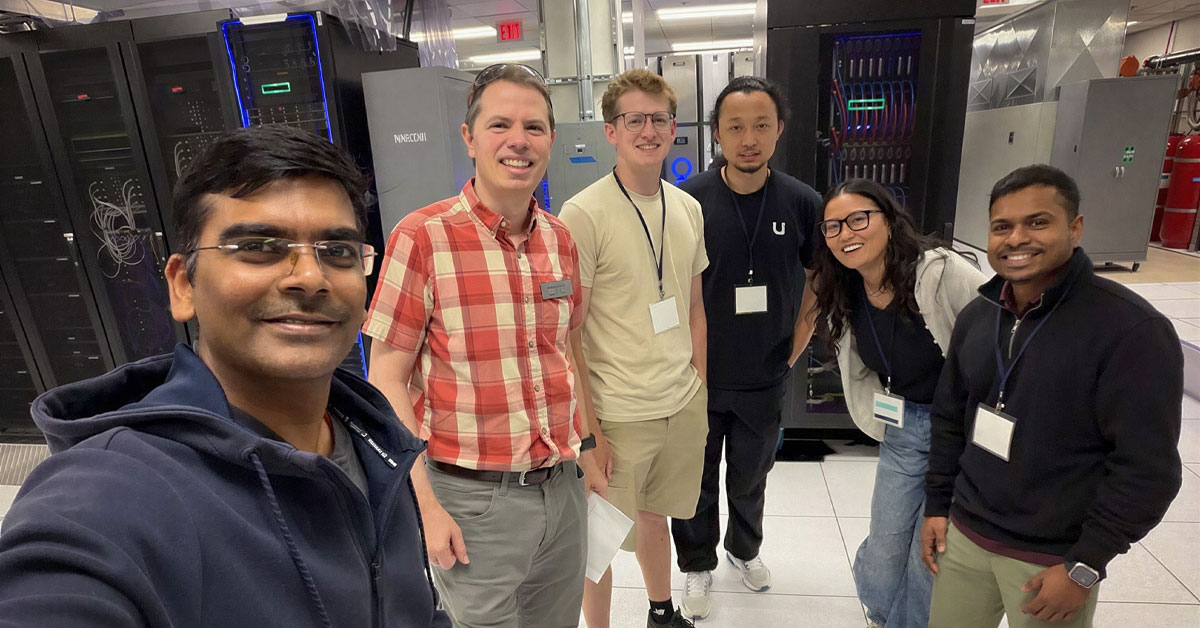
Researchers and Educators Get Hands-On with HPC at SDSC Summer Institutes
Researchers and students learn about high-performance computing and techniques for scaling data science and machine learning workloads on HPC...

Science
Technology
NSF ACCESS Resources Help Physicists Better Understand How Light Moves Electrons
When light shines on an atom, it can knock electrons loose. Scientists have studied this process for decades, but many questions remain, especially...

Science
Awards
Technology
Education
Strengthening America’s AI Ecosystem with the Launch of the NSF NAIRR Operations Center
Scientific discovery increasingly depends on AI resources, including large-scale computing, high-quality data and specialized tools. Without access...

Awards
Technology
New NSF Interactive Discovery Laboratory Includes Team from San Diego Supercomputer Center
NSF announced an award to create iDLab, a unified environment for research computing, data and scientific applications across national computing...

Technology
UC San Diego to Test Innovative Power Technology for AI Data Centers
SDSC will serve as the testing ground for a new $8.48 million project that could transform how AI data centers receive and manage electricity while...
Technology
Science
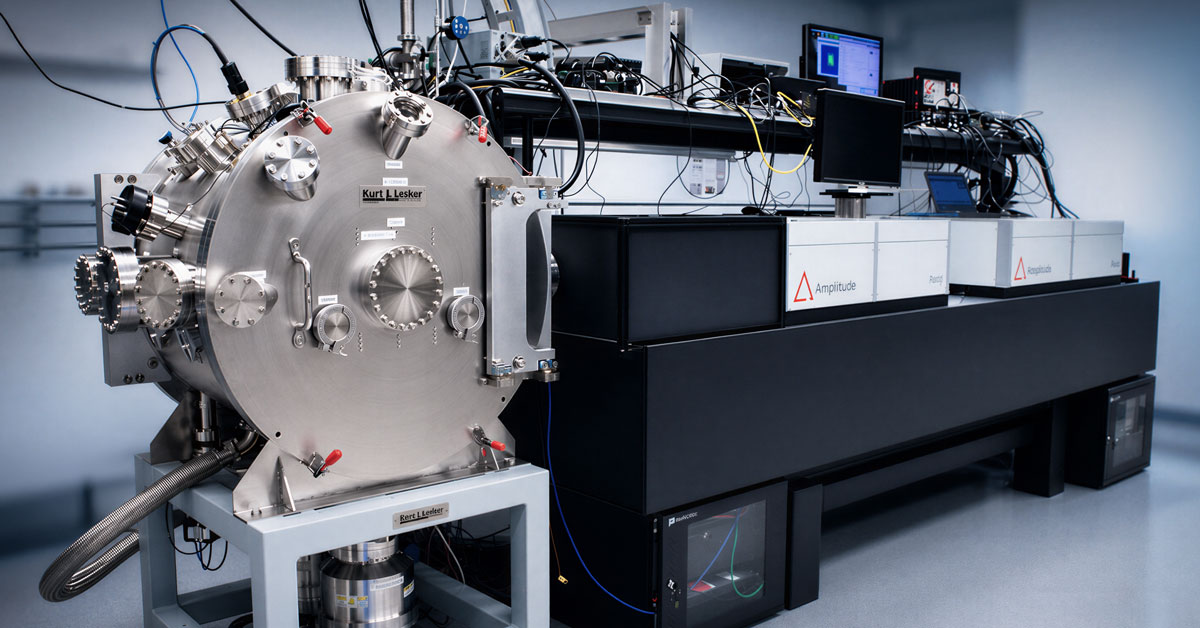
SDSC Teams with General Atomics to Advance Ultrafast High-Energy Laser AI Research via Voyager
Using AI data-driven models for input opens new ways to control complex systems that were previously too fast and too nonlinear to manage with...

Technology
Thanks to SDSC’s Expanse, New TRIP50 Benchmark Helps Scientists Spot Hidden Errors in Chemical Modeling
Using supercomputing power, researchers created TRIP50—a new benchmark that catches hidden errors in software models used to design materials...

Education
Technology
Awards
National Data Platform Receives NSF Category I Award to Expand AI-Ready Data Infrastructure for U.S.
UC San Diego researchers will lead a collaborative project to expand a national platform connecting data, computing and AI resources to empower...

Technology
Science
Education
UC San Diego Students Learn Spatial Data Science Through Real-World Applications
Students in a new spatial analysis course are bridging GIS and machine learning to solve real-world challenges in public health and urban planning.

Technology
Science
UC San Diego Researchers Use SDSC’s Expanse to Better Understand Bone-Like Minerals
Researchers introduced light-emitting properties to a naturally occurring bone mineral making it easier to see in bioimaging applications.
Technology
Science
Education
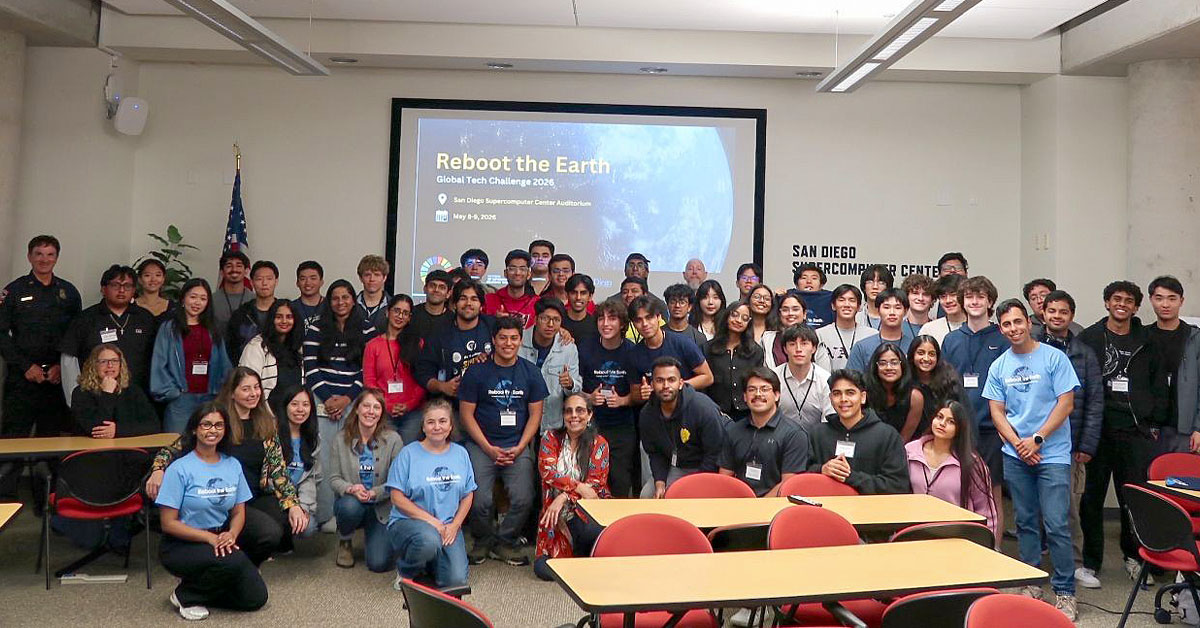
United Nations Holds Southern California’s First Hackathon at UC San Diego
UC San Diego's recent Reboot the Earth event challenged students and developers to create innovative software for wildfire prevention and...

SDSC Helps MIT Scientists Build Better Models for Complex Materials
MIT researchers used the Expanse supercomputer and AI to map complex metal alloys at the atomic scale, accelerating the design of safer aircraft...

Technology
Education
Science
Supercomputer Center launches at Fresno State
This first-of-its-kind partnership between industry and higher education expands access to advanced computing and AI resources to accelerate...

Science
Technology
Education
SDSC to Host Fast Machine Learning for Science Conference
The conference is an opportunity to examine the vast applications of machine learning in various fields of science and explore emerging ML methods.

Technology
Awards
Science
Google.org Supports the Societal Computing and Innovation Lab to Accelerate AI Wildfire Solutions
Funding will help accelerate the development of wildfire technology using advanced computing, artificial intelligence and integrated workflows.

Technology
UC San Diego Helps Prepare AI Tourism Assistant for World Cup Crowds
As Mexico City prepared for the surge of international visitors expected during the FIFA World Cup, developers behind an AI-powered tourism...

Technology
Science
Looking Beneath the Shell: AI Helps Protect Endangered Abalone
Researchers are helping endangered abalone recover by using supercomputers and AI to determine when they're ready to spawn and whether an...
Science
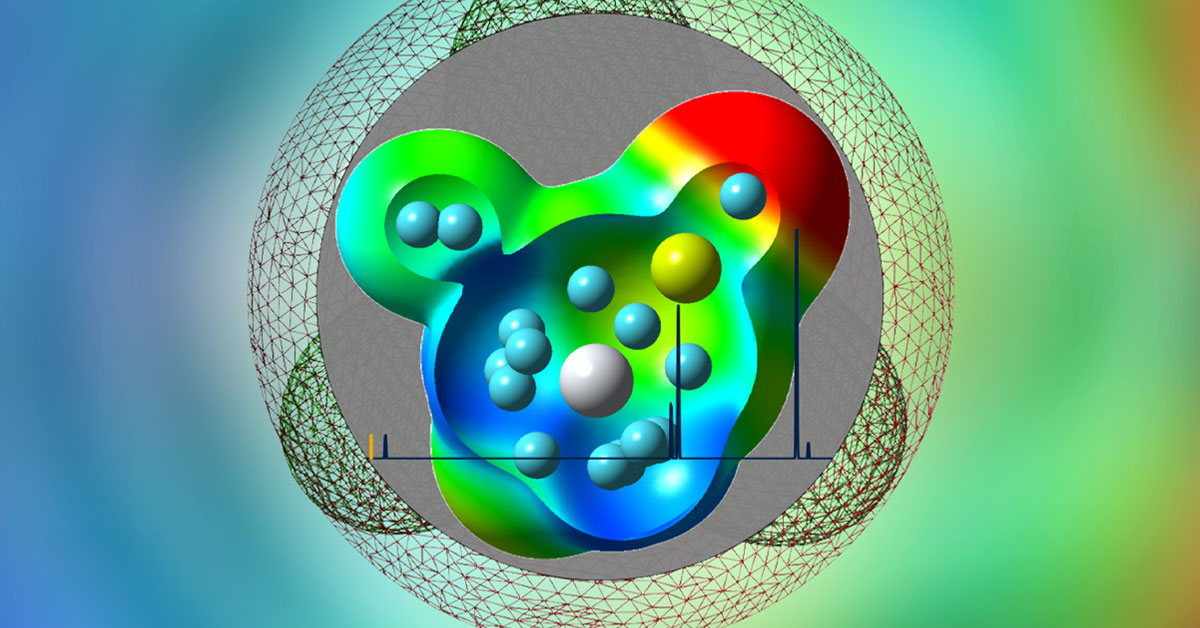
Murray State University's Hydrogen Storage Study, Powered by SDSC's Expanse, Lands on Journal Cover
Scientists are unlocking a safer way to store clean hydrogen energy by mapping exactly how much fuel atomic clusters can hold before filling up.

Awards
Technology
UC San Diego Researchers Win Best Paper Award for New Approach to Connecting Complex Data Systems
Researchers at UC San Diego have developed a new system designed to solve one of modern computing’s growing challenges: how to efficiently...